
Negotiation tips to close real estate deals
Feb 2026
5 min
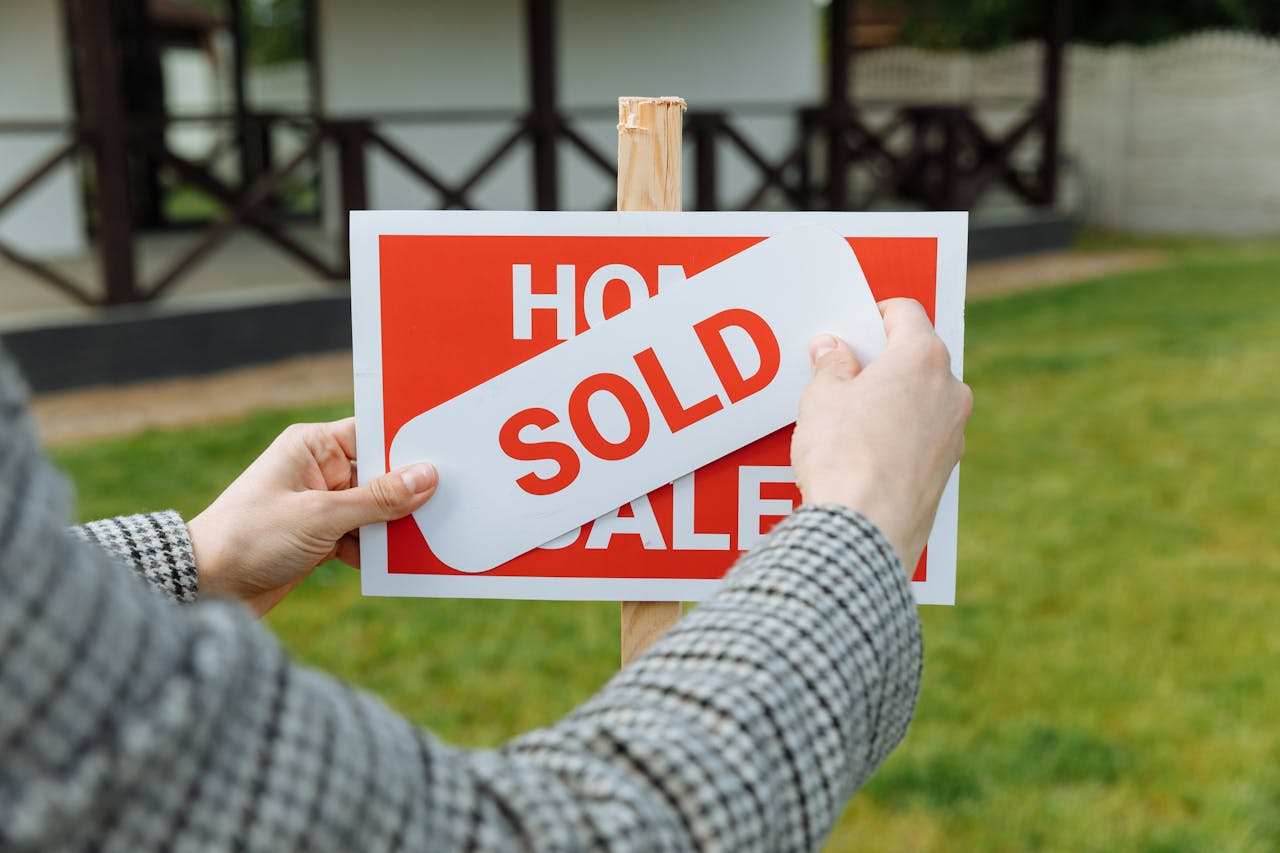
Proven techniques top agents use to create win-win outcomes
Negotiation is one of the most valuable skills in real estate. Every transaction involves multiple interests, buyers want the best price, sellers want maximum value, and agents must guide both sides toward agreement.
Top-performing agents understand that negotiation isn’t about “winning.” It’s about creating solutions where both sides feel satisfied, allowing the deal to move forward quickly and smoothly.
Below are the negotiation strategies experienced agents use to reduce friction, build trust, and close deals faster.
1. Start with data, not emotion
One of the most effective negotiation tools is market data. Buyers and sellers often approach negotiations emotionally, but professionals rely on facts.
Successful agents bring:
- Comparable sales (recent nearby transactions)
- Days-on-market data
- Local price trends
- Rental yield or investment potential
Using objective data reframes the conversation from personal opinions to measurable value. When negotiations are supported by numbers, discussions become more rational and productive.
Example:
Instead of saying “The price is too high,” show three comparable properties that sold recently for less.
This approach reduces tension and speeds up agreement.
2. Understand the real motivation behind the deal
Price is not always the most important factor.
Experienced agents always ask questions such as:
- Does the seller need a quick closing?
- Is the buyer waiting for financing approval?
- Does the seller need time to relocate?
Once you understand motivations, negotiations become much easier.
For example:
- A seller may accept a slightly lower price for a faster closing.
- A buyer may accept a higher price if inspection repairs are included.
Understanding priorities allows agents to structure deals that satisfy both sides.
3. Make a strong but reasonable first offer
The opening offer sets the tone for the entire negotiation.
An extremely low offer may insult the seller, while an overly generous offer leaves no room to negotiate.
The best agents start with an offer that is:
- Competitive
- Supported by data
- Strategically positioned for negotiation
A well-structured opening offer invites discussion instead of conflict and helps keep negotiations moving.
4. Price listings strategically
For sellers, pricing is one of the most powerful negotiation strategies.
Homes priced at or slightly below market value tend to generate more interest, which can create multiple offers and stronger negotiating positions.
When properties sit too long on the market:
- Buyers become suspicious
- Negotiation leverage shifts toward buyers
- Price reductions become necessary
Correct pricing from the start often leads to faster transactions and better final terms.
5. Use timing as a negotiation tool
Time pressure can significantly influence decision-making.
Skilled agents use timing strategically:
For buyers
- Submit offers with expiration deadlines
- Move quickly in competitive markets
For sellers
- Highlight upcoming showings or competing interest
- Set offer review deadlines
A sense of urgency encourages faster decisions and reduces prolonged back-and-forth negotiations.
6. Focus on the entire offer, not just the price
Many negotiations stall because both sides focus solely on the price.
In reality, a real estate offer contains many negotiable terms:
- Closing timeline
- Financing conditions
- Inspection contingencies
- Deposit amount
- Included appliances or furniture
A slightly lower price may still be the best offer if the terms are stronger, for example, a buyer with financing pre-approval and a quick closing timeline.
Top agents evaluate the entire structure of the deal, not just the headline number.
7. Use contingencies strategically
Contingencies protect both buyers and sellers, but too many conditions can weaken an offer.
For example:
- Buyers who include excessive contingencies may appear less serious.
- Sellers willing to negotiate minor repair requests may secure a stronger buyer commitment.
The key is balancing protection with flexibility.
Deals move faster when contingencies are reasonable and clearly communicated.
8. Maintain clear and professional communication
Poor communication is one of the biggest reasons deals fall apart.
Professional agents keep negotiations productive by:
- Communicating expectations clearly
- Providing regular updates
- Responding quickly to questions
- Keeping discussions respectful and solution-focused
Trust between agents often determines how smoothly negotiations proceed.
9. Follow up consistently
Many deals fail simply because agents stop following up.
Top agents treat follow-up as part of the negotiation process:
- After showings
- After open houses
- After submitting offers
- When waiting for responses
Consistent follow-up keeps deals moving and ensures opportunities are not lost due to silence or delays.
10. Aim for a win-win outcome
The most successful agents think long-term.
A negotiation that leaves one side frustrated often leads to:
- Delayed closings
- Contract disputes
- Lost referrals
Instead, experienced agents aim for balanced agreements where both parties feel they achieved their goals.
When both sides walk away satisfied:
- Transactions close faster
- Relationships remain strong
- Future referrals increase
Real estate is a relationship-driven industry, reputation matters.
Final Thoughts
Negotiation is not about pushing harder than the other side. It is about guiding buyers and sellers toward a practical agreement.
The best agents rely on:
- Market data
- Clear communication
- Strategic timing
- Flexible deal structures
- Strong follow-up
By combining these strategies, agents can reduce negotiation friction, maintain trust, and close deals faster, while ensuring both buyers and sellers feel confident in the outcome.